



Nutritionist with over 16 years of experience in public health, having worked at municipal, state, and international levels. She is an expert in public policies, planning, management, and monitoring of projects, with a focus on vulnerable populations. She holds a master’s degree in Food, Nutrition and Health from the University of the State of Rio de Janeiro (UERJ) and a specialization in Public Health from the Sergio Arouca School of Public Health/FIOCRUZ.

She holds a bachelor’s degree in Public Policy Management and an MBA in Project Management from the University of São Paulo (USP). She has over 10 years of experience in project management, institutional development, and social impact initiatives. Katarine has worked in civil society organizations and multisectoral settings, focusing on education, entrepreneurship, public policy, and organizational strengthening.
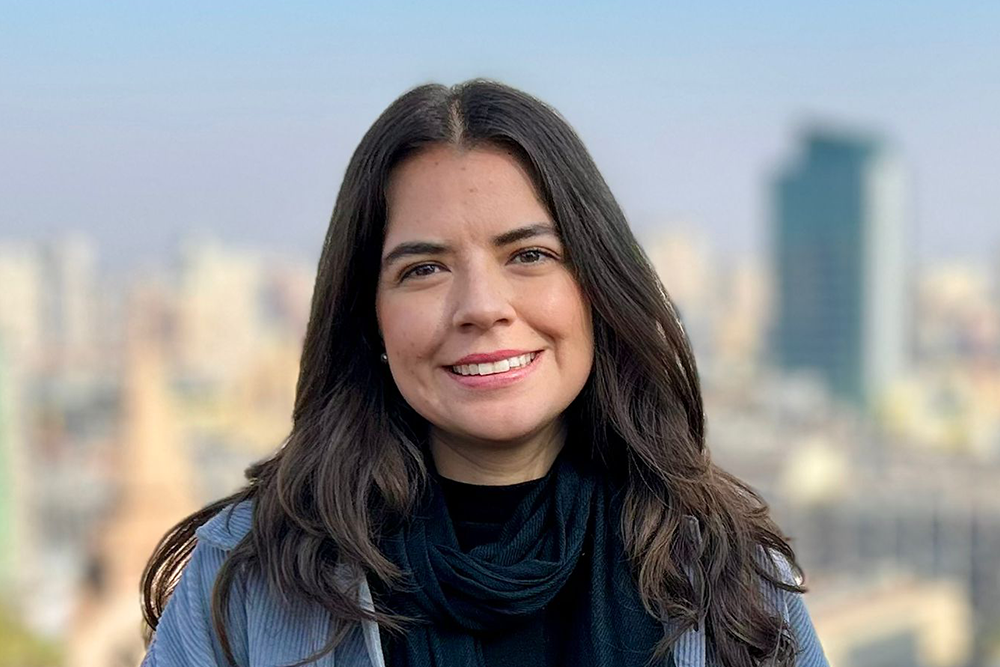
Nutritionist and holds a Master’s degree in Public Health from the School of Public Health of Mexico (ESPM/INSP). She is also a member of the research team at the Center for Nutrition and Health Research of the National Institute of Public Health of Mexico (CINyS/INSP).Her research focuses on the commercial determinants of health and the transition toward food systems based on sovereignty and social justice.
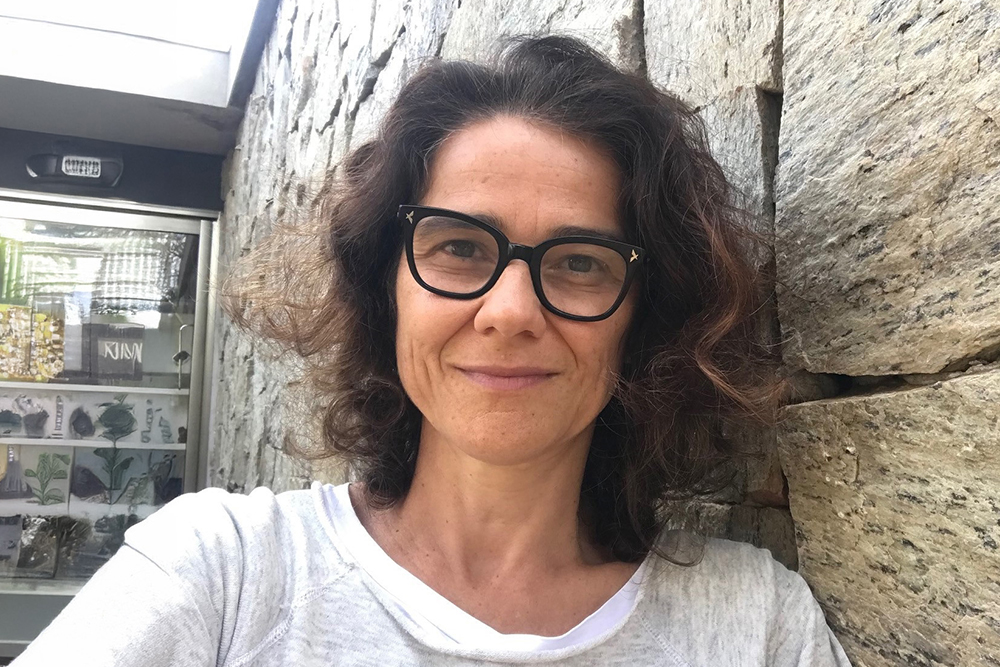
With a degree in Business Administration and a master’s degree in Social Psychology from the London School of Economics (LSE), she has worked on the social development project management agenda for more than 15 years, for foundations, non-governmental organizations, United Nations agencies and public bodies. More recently, she has focused on the agenda of healthy, sustainable and equitable food systems, from a health perspective and defending the human right to adequate and healthy food.She is currently part of the Healthy and Sustainable Food and Nutrition Program at the Institute for Consumer Advocacy (Idec), where she is responsible for advocacy and political lobbying, mainly at the regional and multilateral level.

Communicator and researcher, with a Master’s degree in Sustainable Food Innovation and Management from the University of Gastronomic Sciences of Pollenzo (UNISG) and holds an MBA in Project Management from the University of São Paulo (USP). For more than ten years, he has worked in strategic communications for social movements and civil society organisations engaged in food-related agendas, with a focus on policy advocacy, food justice and the human right to adequate food in Latin America. His research explores the interface between communication, food systems and the role of civil society coalitions in governance and public debate. He is a member of the Brazilian Alliance for Adequate and Healthy Food.
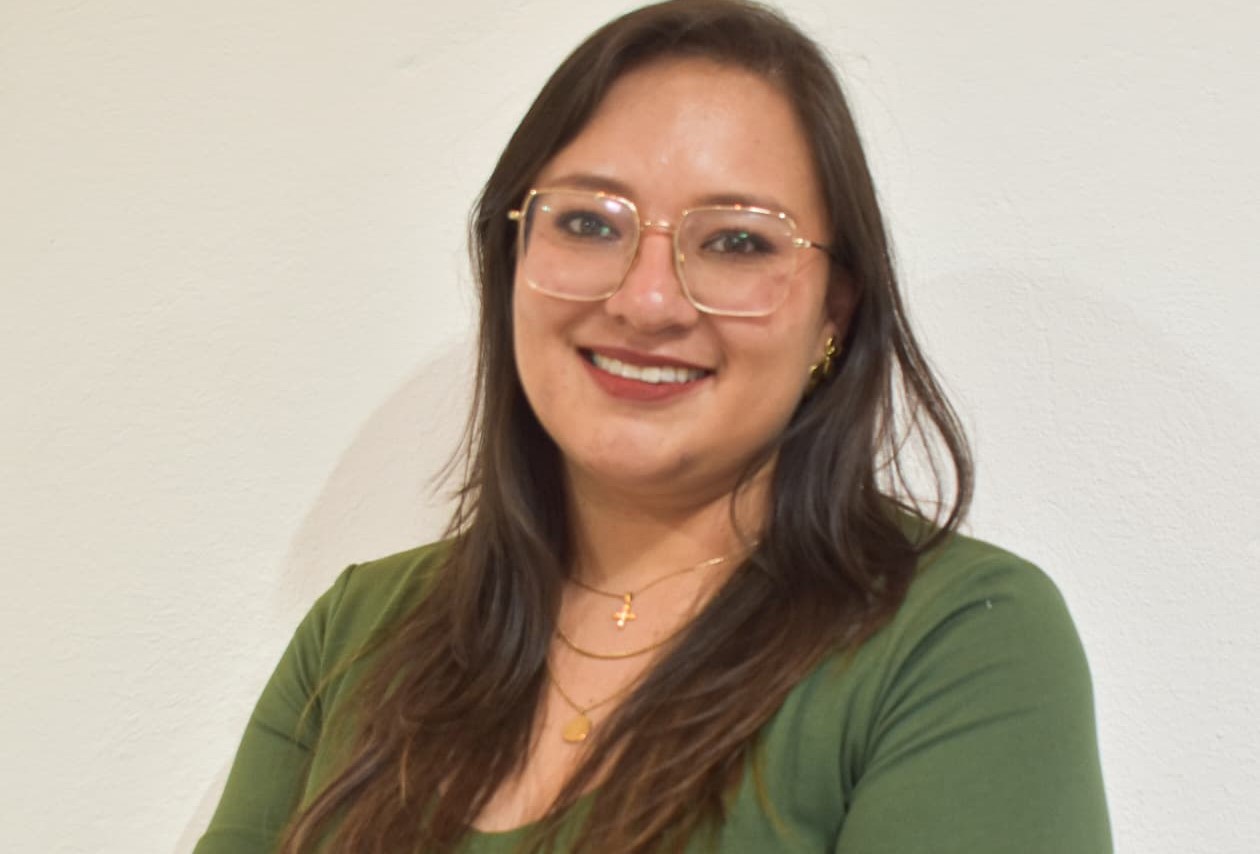
She is a nutritionist and holds a master’s degree in public health from the Mexican School of Public Health (ESPM/INSP). She has worked in research, teaching, and civil society on issues related to food systems, public policy, nutrition, and health. Her work has focused on generating and translating evidence for decision-making, with a special interest in the commercial determinants of health, industry interference, and the promotion of healthier, more equitable, and sustainable food systems in Latin America.
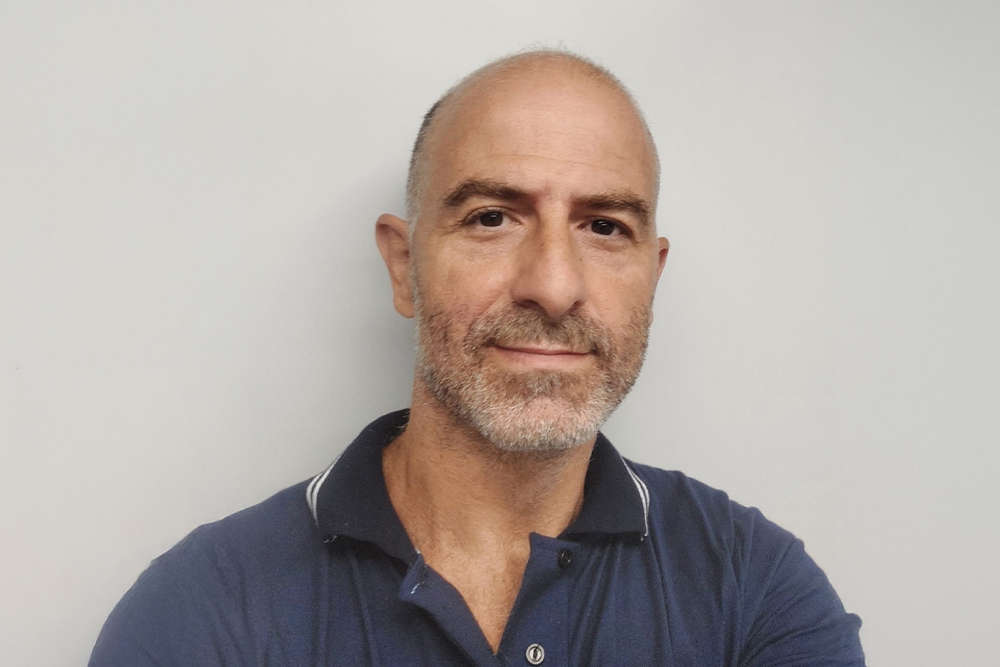
Master’s Degree in Political Economy (FLACSo) and a Bachelor’s Degree in Sociology (UBA). He worked in the National Department for Non-Communicable Diseases of the Ministry of Health of the Nation of Argentina.As a member of civil society, he participated in various projects related to healthy eating, such as the approval and implementation of the Law for the Promotion of Healthy Eating (#Front-of-Package Labeling) and the updating of the Argentine Food Code (CAA) in the article referring to trans fats.He is currently Project Director of the InterAmerican Heart Foundation (IAHF/FIC).
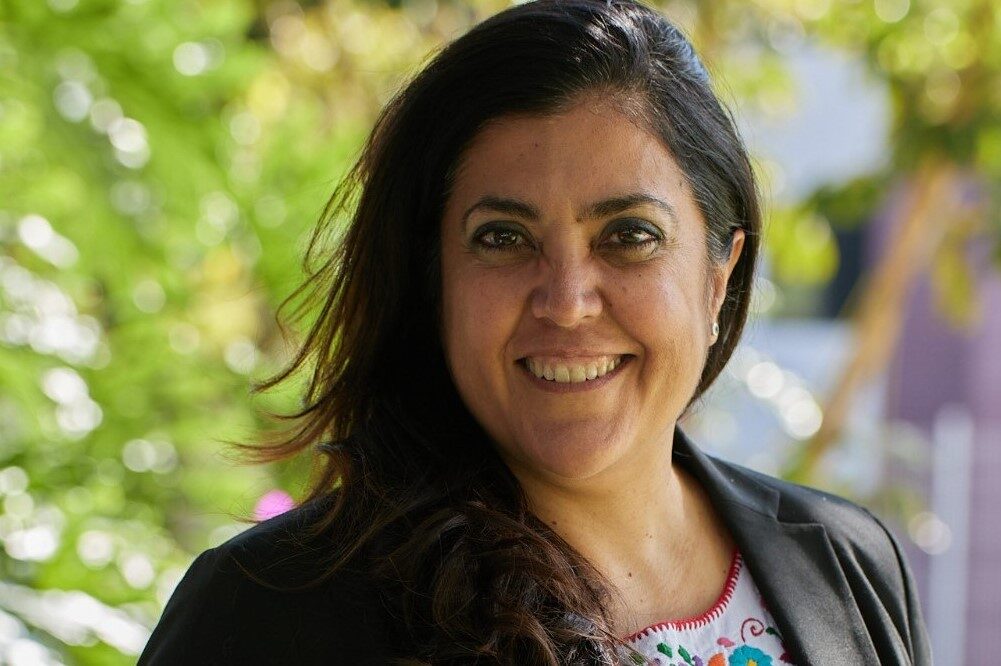
Holds a Bachelor’s degree in Nutrition, having graduated with honors from the University of Buenos Aires (UBA). She has completed postgraduate training in University Teaching (UBA) and Public Health (National University of Rosario, UNR), where she is currently pursuing a Master’s degree in Socio-Environmental Health. She is an adjunct professor and tenured researcher at UBA and coordinates the Open Chair on Food Sovereignty at its School of Nutrition. She has more than 25 years of experience in public food policy, gained through work at government agencies, universities, civil society organizations, and international organizations such as UNICEF, PAHO, and the World Bank. Her career combines the generation and critical analysis of evidence, capacity building, communication, and political and legislative advocacy from a human rights perspective. She specializes in front-of-package food labeling and other regulations aimed at promoting healthy, sustainable, and equitable food systems. She served as president of the Argentinian Federation of Nutrition Graduates (FAGRAN) and currently serves on the coordinating teams of the Network for the Argentine Food Code Law and UCCSNAL.
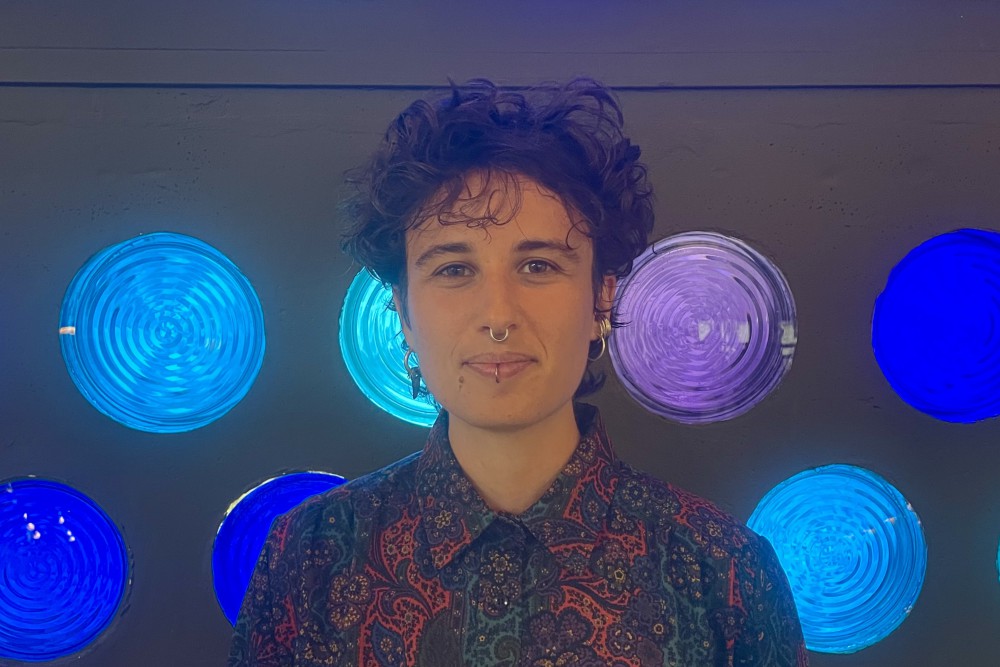
Nathalia Antonucci (she/they) holds a specialization in Gender and Sexuality (CLAM/UERJ), a master’s degree in Anthropology (UFF), and a Ph.D. in Public Health (IMS/UERJ), with a research period at Johannes Gutenberg University. She has over ten years of experience in managing community-based organizations, regional coordination, and knowledge production on issues of gender, intersectionality, and human rights, working with international organizations such as UNHCR, civil society organizations, and private companies.
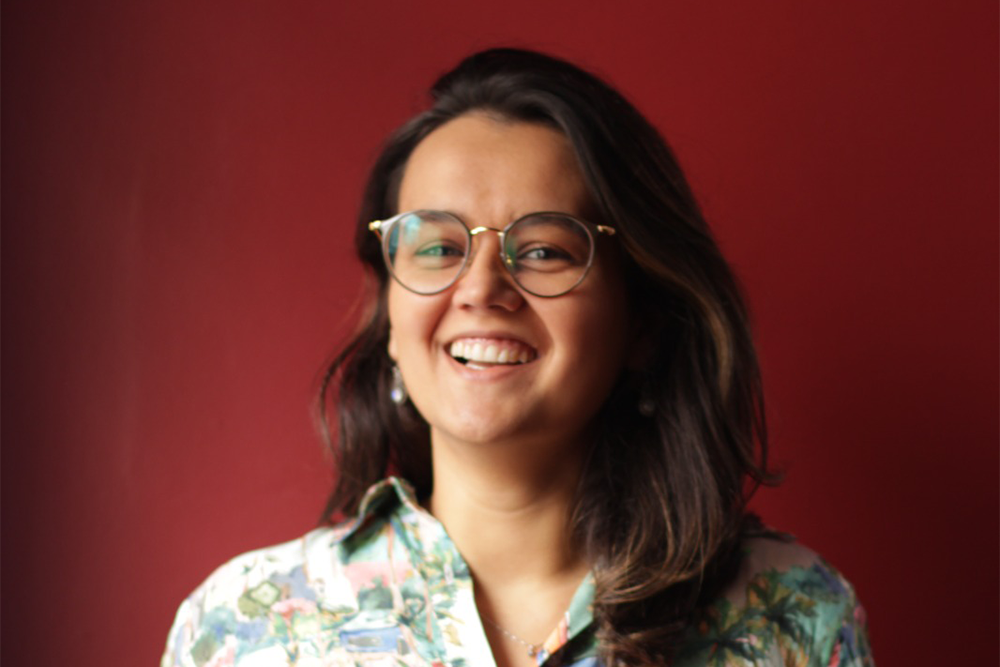
She is a journalist and holds a master’s degree in Communication and Information from the Graduate Program in Communication at the Federal University of Rio Grande do Sul (PPGCOM/UFRGS). She has experience as a communications advisor and content producer for trade unions and social movements in the areas of health, the environment, human rights, and culture. She has also worked as a reporter and in documentary production. In addition, she coordinates communications for the Josué de Castro Chair on Healthy and Sustainable Food Systems (USP).

She is an undergraduate student in Food Engineering (FCA) and a master’s student in Knowledge Organization, Technology, and Society (UFRJ). She has an MBA in Planning and Finance from UERJ and a bachelor’s degree in Business Administration from IBMR. She has 15 years of experience in managing structural projects, strategic planning, and institutional governance, with a focus on structuring KPIs/OKRs, feasibility analyses, contract management, and risk mitigation. She conducts research aimed at disseminating structured knowledge in health, nutrition, and public policy, working on the development of digital platforms and the evaluation of Artificial Intelligence solutions applied to these areas.
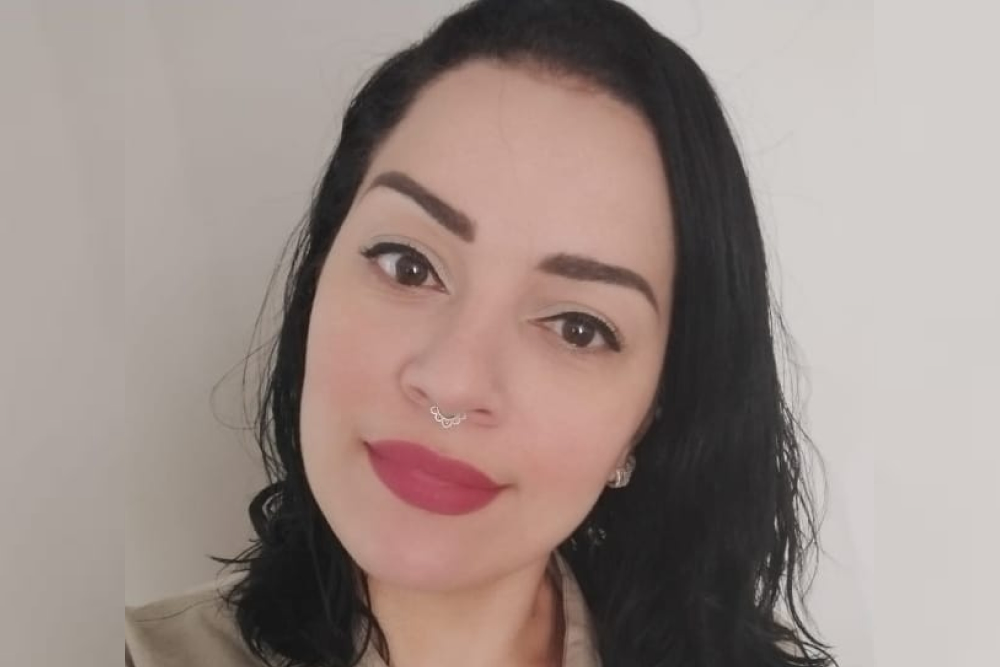
Nutritionist and holds a Master’s degree in Public Health from the School of Public Health of Mexico (ESPM/INSP). She is also a member of the research team at the Center for Nutrition and Health Research of the National Institute of Public Health of Mexico (CINyS/INSP).Her research focuses on the commercial determinants of health and the transition toward food systems based on sovereignty and social justice.
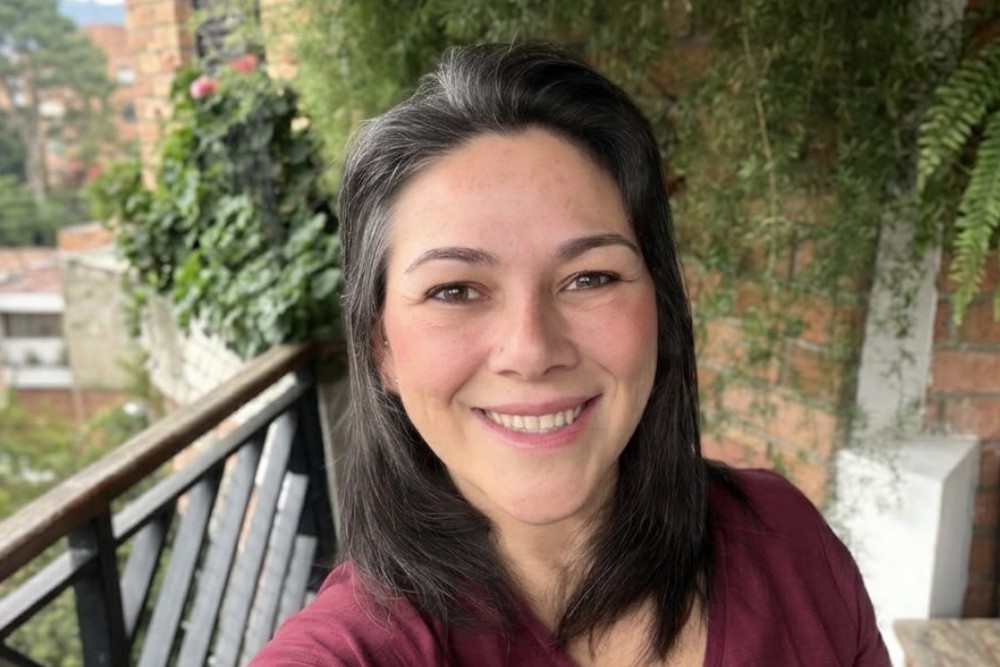
She holds a degree in Business Administration, with specializations in
Quality Management, Project Management, and Agile Methodologies. With over
14 years of experience, she has a solid background in finance, administration,
and operations, having worked at companies across various industries and
contributing to process efficiency, financial health, and organizational
development to achieve the company’s established results and objectives.
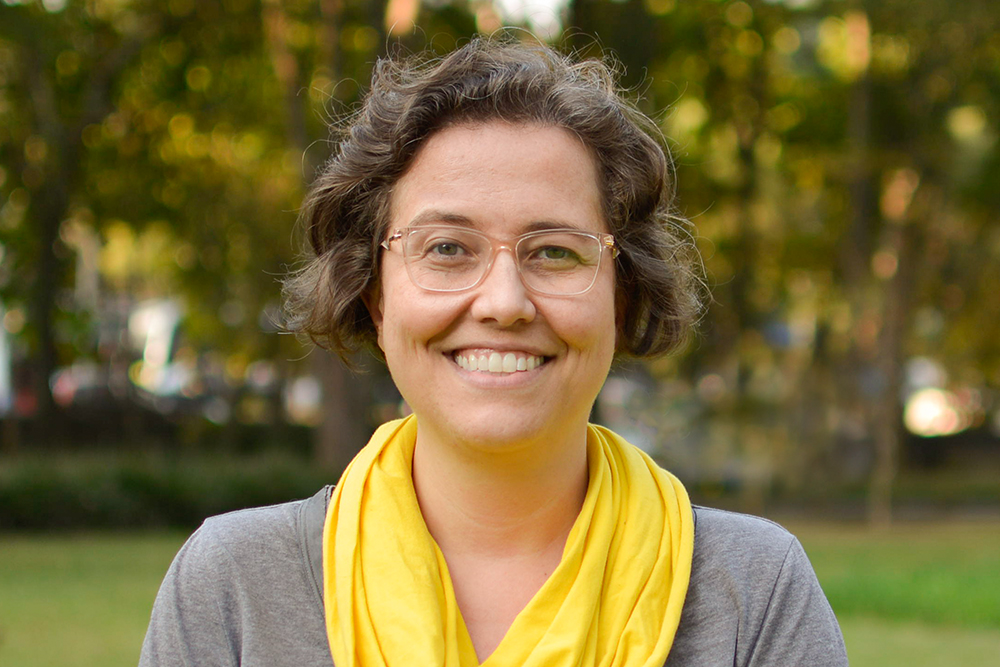
Nutritionist and Doctor of Nutrition and Public Health. She is a professor in the Department of Nutrition at the School of Public Health at the University of São Paulo. She is a scientific researcher at the Center for Epidemiological Research in Nutrition and Health (Nupens) of the same University. Her line of research includes evaluating and monitoring public policies on food and nutrition, with an emphasis on regulatory measures on ultra-processed foods.
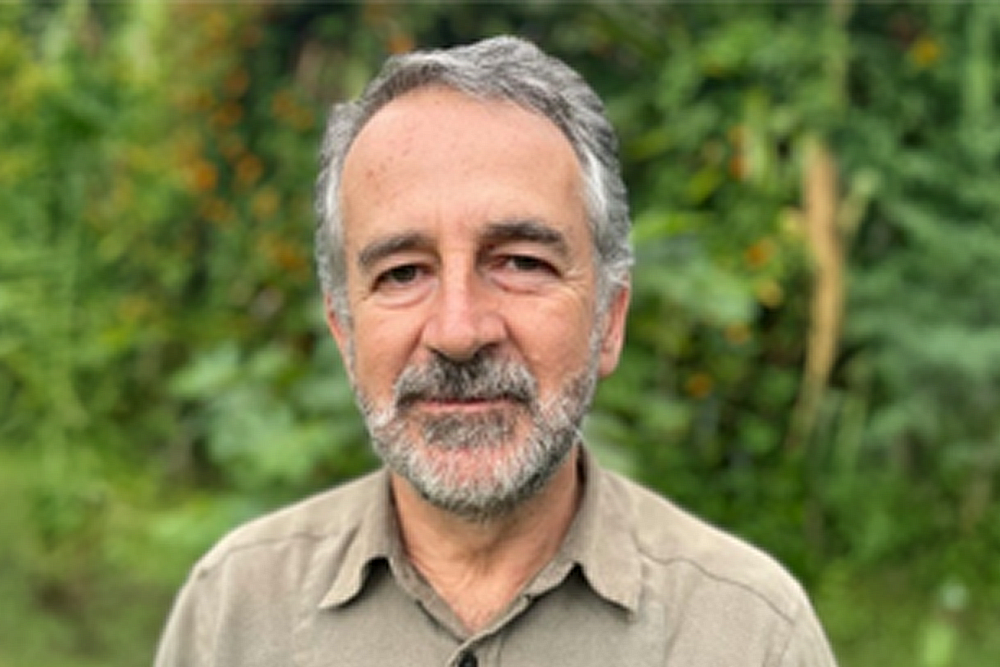
Director Podel del Consumidor y the founder of Greenpeace Mexico. At Greenpeace, he coordinated the area of climate change and air pollution and later served as campaign director (forests, oceans, toxics, and climate). EPC promoted the tax on sugary drinks, front-of-package warning labels on food and beverages, regulation of advertising aimed at children, and reform of the General Education Law to regulate food and beverages in schools—policies in which Mexico has made significant progress, becoming a regional example in this field. Is a member of The Lancet Commission on Obesity and has been invited to advisory groups of the World Health Organization. In 2019, he received the Health Champion award from the National Institute of Public Health.

Is dedicated to the prevention and control of noncommunicable diseases (NCDs) in the Americas.As executive director of CLAS, the Healthy America Coalition, she provides a coherent response from civil society on health policy issues. Supporting advocacy in the region, advocacy communication, grants, and building greater capacity for advocacy.Some experiences: coalition to reduce salt in the diet; advocacy for smoke-free environments; health warnings in the Caribbean and Central America; 7 media competitions; national smoking cessation plans; CARMELA study of the prevalence of risk factors for cardiovascular disease in seven cities; economics of tobacco in Argentina; chaired five regional Tobacco or Health conferences; economic studies in Central America; illicit trade in Mercosur; youth dialogue; empowerment of people living with NCDs.She is a member of the Board of Directors of the Global Alcohol Policy Alliance (GAPA) and the NCD Alliance.She is also president of INWAT, the international network of women against tobacco.She holds a Ph.D. from Rutgers University and graduated with high honors from the University of Illinois at Champaign-Urbana.
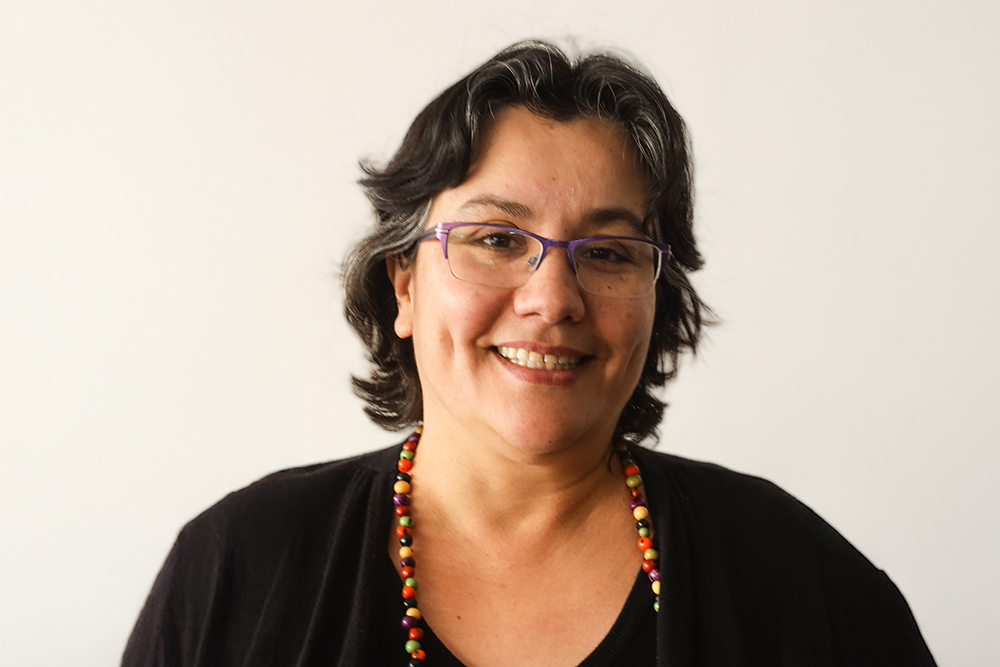
Is Director and lead researcher of the Center for Research in Food Environments and Prevention of Chronic Diseases Associated with Nutrition (CIAPEC) Full Professor at the Public Nutrition Unit of the Institute of Nutrition and Food Technology (INTA) at the University of Chile. She is a Medical Surgeon, holds a Master’s degree in Public Health from the University of Chile, and a Ph.D. in Nutrition from Emory University, United States.
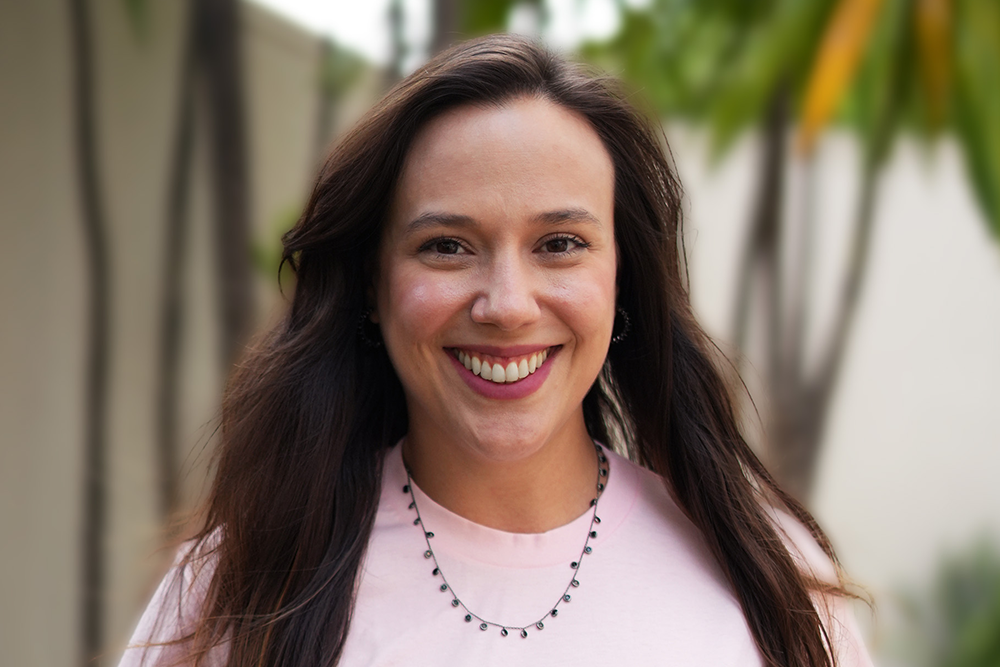
Nutritionist, master’s and PhD in science from the Department of Pediatrics at the Federal University of São Paulo (Unifesp), with an internship from the Johns Hopkins Institute of Medicine. I am the coordinator of the Healthy and Sustainable Diets Program at the Institut for Consumers Defense (Idec) in Brazil, where I have worked since 2016. I am a national advisor at the National Council for Food and Nutritional Security (Consea), a member of the steering committee of the Alliance for Adequate and Healthy Diets in Brazil and of the Food Advertising Observatory (OPA), and the coordinator of the Brazilian Food Labeling Research Observatory.
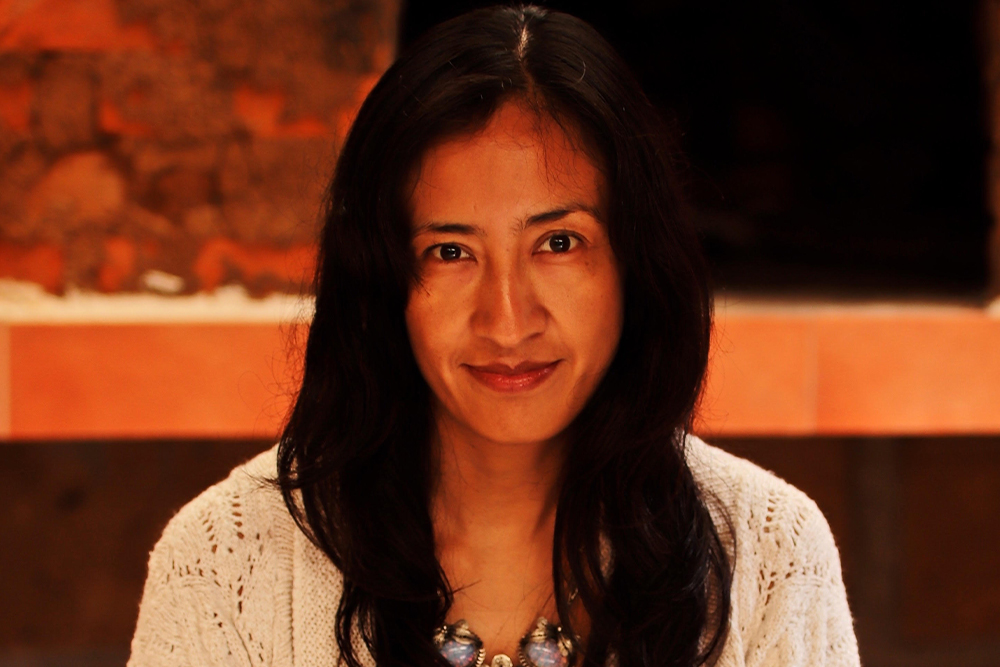
Medical researcher at the Center for Research in Nutrition and Health at the National Institute of Public Health in Mexico. She is currently the coordinator of projects related to monitoring the obesogenic environment in schools, evaluating food and beverage advertising aimed at children and adolescents in different media, evaluating food and beverage labeling and the INFORMAS-Mexico project.She is part of the team that generated scientific evidence, designed, implemented and, now, monitors the Mexican front-of-package warning label.
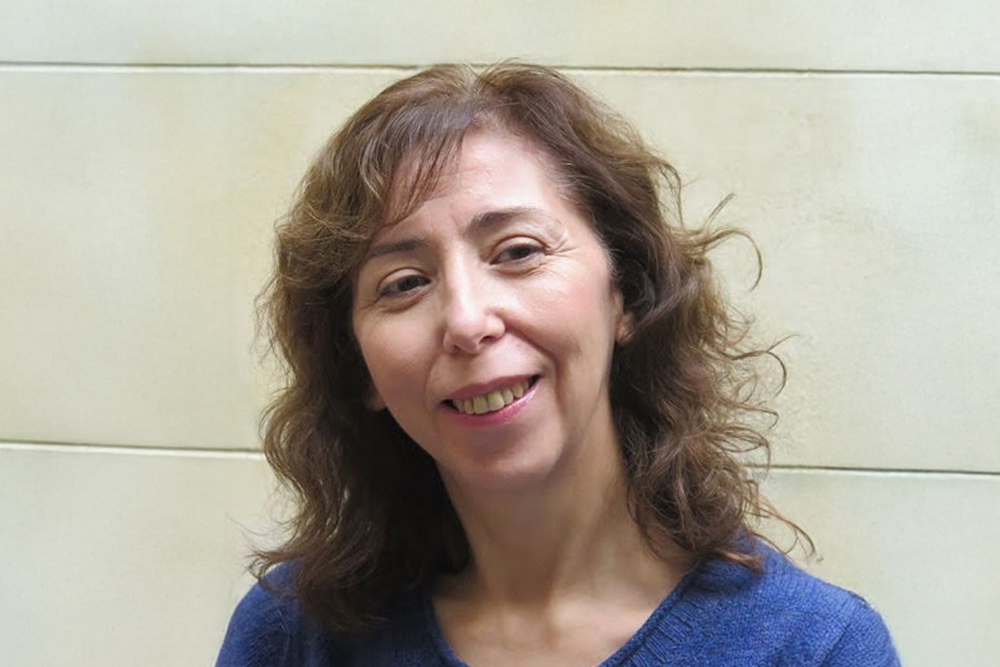
Cardiologist and epidemiologist. She is the Director and principal Investigator of the Department of Research in Chronic Diseases at the Institute for Clinical Effectiveness and Health Policy (IECS), University of Buenos Aires, and Director of the South American Center of Excellence for Cardiovascular Health. She is Senior researcher at the National Scientific and Technical Research Council of Argentina (CONICET). She is an expert in Implementation science and public health research. Dr Irazola is the Director of the Master’s Degree Program in Clinical Effectiveness at the University of Buenos Aires, where she also teaches Advanced Analytical Methods. She is faculty of the Implementation Science School run by the Global Alliance for Chronic Diseases (GACD). She is Visiting Professor at the School of Public Health, Harvard University, where she teaches Implementation Science.